By: Jonathan Bernstein
During my five-year tenure in U.S. Army Intelligence (yes, occasionally an oxymoron), I participated in one operation targeting terrorists in Europe and another recruiting foreign military officers to spy for us. What I see in the news today is that bad actors of all sorts are learning that economic insurgency, doing any number of things to disrupt economies globally, is easier to implement and often more effective than military action, without risking lives. And their most effective weapon is often already inside the building: the insider threat.
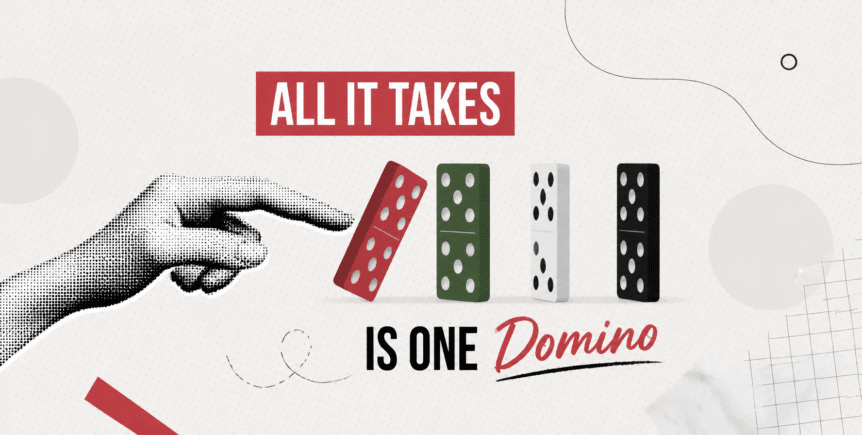
The domino effect
What does last week’s global Microsoft outage, which hit a platform used by roughly 430 million people, have in common with a Chinese spy, the cruise ship broadsided in the Port of New Orleans, and the so-far-empty bomb threats against airlines and other targets in Europe?
The bomb threats were obviously the work of bad actors, whether domestic or foreign to each affected country. But none of these incidents affected only the organizations named in the headlines. Each had domino effects on every employee, every consumer, every supplier and every investor connected in any way to the organization involved. They can create supply chain backlogs and millions of unhappy customers.
The insider threat
Microsoft says last week’s outage was a technical failure, not a cyberattack. Whatever caused this outage, if I were a Russian, Chinese or North Korean operative seeking to disrupt Western powers, I would look for employees in critical positions who have vulnerabilities: they’re disgruntled, they’re in financial trouble, they’re desperately lonely. One person in the right position can cause immense harm, and it doesn’t have to be the CEO of a tech company. Lower-level employees are often better, more vulnerable targets. That is exactly the type of situation a bad actor would like to create.
The crisis management lesson
The crisis management lesson du jour: never assume you will have access to all of your critical services all of the time. In fact, assume the opposite. Assume you won’t, then plan and train accordingly. You won’t be able to cover every base against economic insurgency, but the right vulnerability assessment and training can significantly reduce both the risk and the damage.
Jonathan Bernstein founded Bernstein Crisis Management in January 1994, after creating and leading Ruder Finn, Inc.’s first Crisis Communications Group.